Do you go through TSA on a private jet?
By Jake Lombardi. Published .
The short answer
On a typical domestic charter you do not pass through a TSA checkpoint: federal rules require passenger screening on private charters only above 100,309 pounds, with 61 or more seats, or when passengers use a sterile area. You still carry photo ID, because the operator checks it against the manifest, and an international trip needs a passport. A few places add their own screening, including Reagan National Airport (DCA) and Palm Beach during presidential visits.
The short version is that private charter security is different from an airline checkpoint, not absent. What you actually experience is a door, a desk and a car to the aircraft.
This article explains the federal rule that decides it, what you need to carry, and what happens at the FBO, the fixed-base operator terminal where private flights start. At Teterboro there are five of them; Teterboro FBOs lists which is which.
Do you go through TSA security on a private jet?
On a typical domestic charter, no. Federal rules require the Transportation Security Administration’s screening of private charter passengers only in specific cases: when passengers enplane from or deplane into a sterile area, when the aircraft has a maximum certificated takeoff weight above 100,309 pounds, or when it has 61 or more passenger seats. A light, midsize or super-midsize jet is far below those thresholds.
The rule is 49 CFR 1544.101(f), the private charter program. Most private jets pass through none of its screening provisions.
Does a private jet charter have any security rules?
Yes. Larger charter aircraft follow a TSA-approved security program, and every charter passenger is checked against a manifest. Under 49 CFR 1544.101(d) and (e), a charter operator with an aircraft above 12,500 pounds maximum certificated takeoff weight must carry out a security program that includes designating a security coordinator, security training and rules on firearms, among others.
That is the “Twelve-Five” program. Its listed elements do not include the passenger-screening section that applies to airlines and to the heaviest private charters. So a super-midsize jet such as a Challenger 350 (40,600 pounds) falls under the Twelve-Five program and has no checkpoint. A heavier aircraft, such as a Gulfstream G550 (91,000 pounds) or Global 7500 (114,850 pounds), is still not screened as a private charter unless it crosses the 100,309-pound line, which the Global 7500 does.
Do you need ID to fly on a private jet?
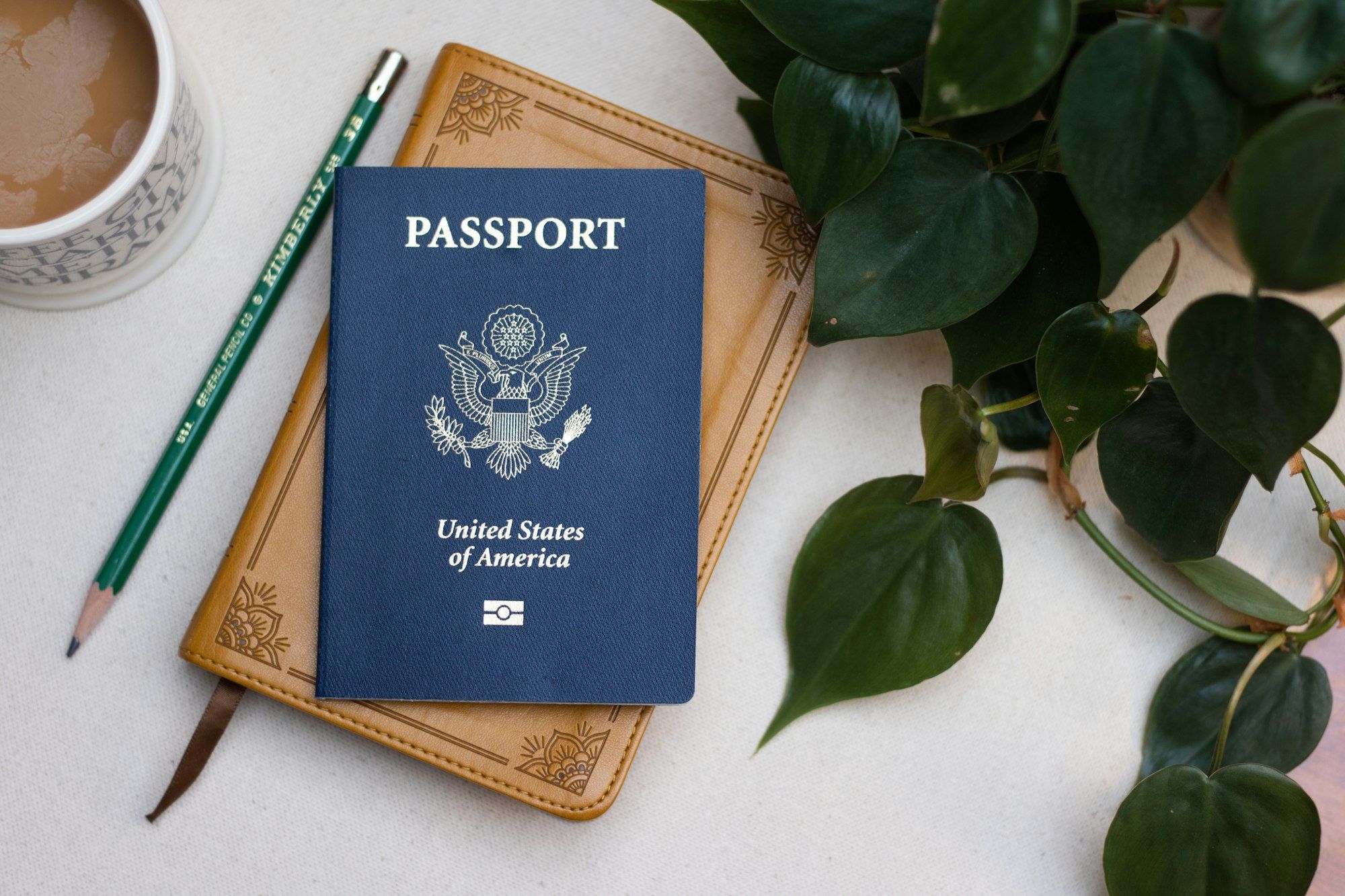
Carry a government photo ID. The TSA rules above do not themselves require a domestic charter passenger to show one, but charter operators and FBOs routinely check photo ID against the manifest, and guides from charter companies such as Stratos Jets and Blade describe it as standard. If you cannot show ID that matches the name on the manifest, the operator may refuse to carry you. Children are different: see flying private with children for ID and car seats. Whether the ID has to be REAL ID-compliant is covered in do you need a REAL ID to fly private?
For an international trip, the requirement is federal. Every passenger needs a passport, and US Customs and Border Protection builds its manifest from the passport data. See flying private internationally.
What happens at an FBO before a private flight?
You check in at the front desk, give your name and the operator or tail number, and are taken to the aircraft. Your bags are loaded for you, and there is no checkpoint queue. SkyAccess’s first-flight walkthrough describes the same sequence: a front desk, a lounge, and staff who take bags to the aircraft.
In practice:
- Arrive at the FBO, not the airline terminal. Your trip plan names the FBO and the report time.
- Check in. The desk confirms your booking against the manifest.
- Wait in the lounge, or go straight out when the aircraft is ready.
- Board on the ramp. A car or a short walk takes you to the aircraft, where the crew meets you.
- On an international return, US customs meets the aircraft at the FBO or a shared inspection facility. Eligible travellers can use Mobile Passport Control at selected general aviation facilities, deployed on September 28, 2026.
Are bags screened on a private jet?
Not by the TSA on a typical domestic charter. The operator controls what comes aboard. It asks the number and size of bags for weight and balance, because every aircraft has a maximum takeoff weight and a baggage door of a fixed size, and some FBOs and operators apply their own bag checks. Customs searches apply on international arrivals. The federal rules on alcohol, firearms, cannabis and batteries still apply without a checkpoint; see what can you bring on a private jet?
Are there places where private jets are screened?
Yes. A few airports and events add federal security measures that apply to charters of any size.
- Reagan National Airport (DCA). All general aviation operators flying into and out of DCA must follow the TSA’s DCA Access Standard Security Program, and unscheduled flights also need an FAA slot reservation. See Teterboro to Washington, DC.
- Palm Beach, during presidential visits. Inside the inner ring of the temporary flight restriction, general aviation flights are barred unless passengers and crew have been screened by TSA at a gateway, and the airport is a gateway for departures. See Palm Beach to Nantucket.
- International arrivals. CBP inspects every passenger, crew member and bag.
What we tell you before you travel
Jake sends the FBO name, the report time and a note of what ID is needed with every trip plan, and asks for the passport details early on any trip that crosses a border. For trips into Washington or Palm Beach on restricted days he adds the screening steps.
To plan a trip, call +1 (862) 485-3510 or request a quote.
Sources
- 49 CFR 1544.101, Adoption and implementation of aircraft operator security programs (eCFR, Title 49)
- TSA: general aviation security, including the DCA Access Standard Security Program
- CBP: general aviation processing FAQs
- CBP: Mobile Passport Control
- Palm Beach County Department of Airports: TFR briefing (November 2025)
- Nantucket Memorial Airport: 2026 rates and charges
- Stratos Jets: do private jets go through TSA?
- SkyAccess: what to expect on your first private jet flight
More questions people ask
How early do I need to arrive at the FBO?
The operator sets the report time, and we put it in your trip plan. It is normally a fraction of the time an airline asks for, because there is no checkpoint, but allow for parking or a car to the ramp and for any customs paperwork on an international departure.
Can my car drive to the aircraft?
At some airports, yes. A car needs an airport ramp permit, or the operator pays an escort fee. At Nantucket, for example, the airport charges $100 for an escort if the car has no permit. Jake arranges the permit with the trip.
Do I need a passport for a domestic private flight?
No. A government photo ID is what operators ask for on a domestic trip. A passport, and any visa the destination requires, is needed when the flight leaves or enters the United States.
Is flying private less secure than flying commercial?
It is secured differently. Airlines screen passengers at a checkpoint. A charter operator relies on its TSA-approved security program, which for aircraft above 12,500 pounds includes requirements such as a security coordinator and crew training, and on checking who is on the manifest. Neither approach is the same as having no security.
Can anyone else board or meet me at the aircraft?
Only people on the manifest. Guests who come to see you off normally stay at the FBO, because the ramp is restricted. If you want someone to meet you at the aircraft, tell the broker so the airport can issue a permit.
What happens to my bags?
Line staff at the FBO or the crew load them. The operator asks what you are bringing because weight and the size of the baggage door affect the aircraft, and because dangerous goods have rules of their own. Our guide to private jet luggage covers sizes.
Related articles
- When the plane breaks
Airports and operations
- Can people track your private jet flight?
Airports and operations
- Do you need a REAL ID to fly private?
Airports and operations
Written by Jake Lombardi
Jake Lombardi is the managing director of Lombardi Jet Services. Fifteen years in private aviation and more than 1,000 charters arranged. About Jake
Plan this trip with Jake
Tell Jake your dates and how many are travelling, and he will come back with options and one clear price.
Request a quoteCall Jake: +1 (862) 485-3510
Lombardi Jet Services is an air charter broker. It is not a direct air carrier and does not have operational control of any aircraft. Flights are provided by properly licensed direct air carriers (FAA Part 135 operators, or foreign equivalents), which keep operational control. We act as our clients' agent.